
Decoding the Science Behind Oxygen Barrier Testing
For manufacturers in the food, pharmaceutical, and electronics industries, the ability to quantify how much oxygen penetrates a package is not merely a technical exercise—it is the cornerstone of product preservation and shelf-life validation. Laboratory testing for permeability provides this critical data, enabling businesses to select the right barrier materials and ensure consistent quality. This controlled process measures the rate at which oxygen moves through a film, container, or finished package, offering insights that directly impact supply chain integrity and brand reputation.
The Role of Specialized Instrumentation
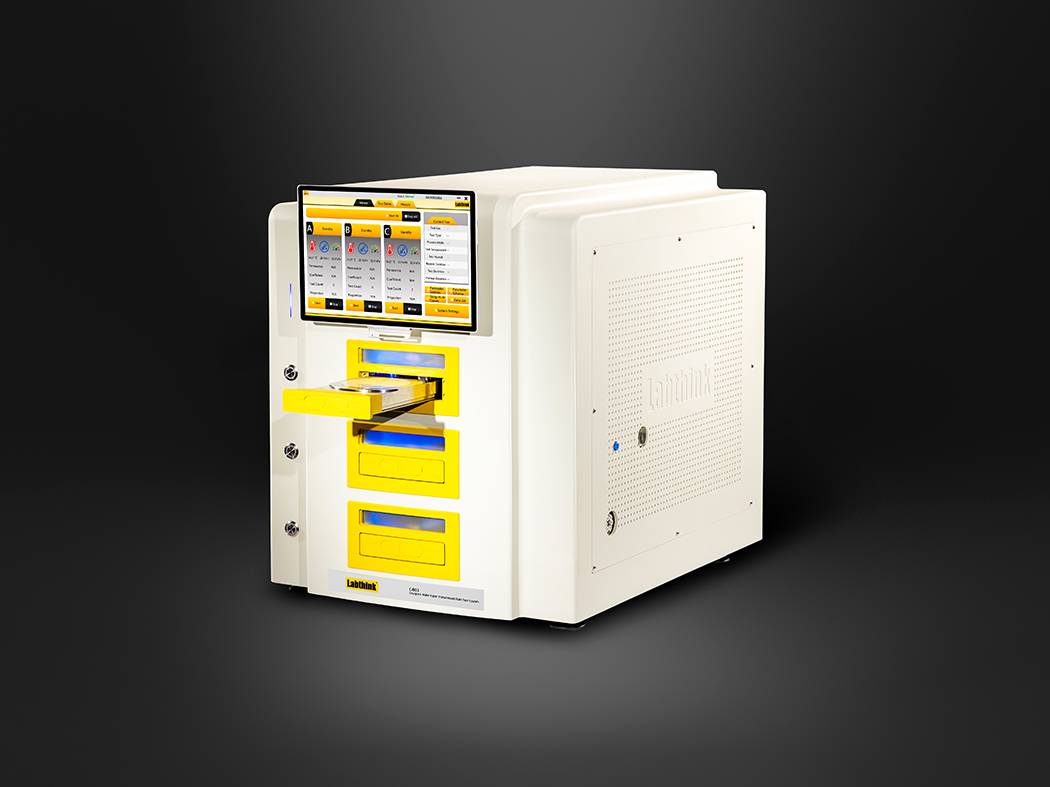
At the heart of any reliable oxygen permeability test lies precision instrumentation. Technicians begin by conditioning material samples to eliminate external variables such as residual moisture or temperature inconsistencies. The specimen is then mounted within specialized OTR testing equipment, which isolates the material between two distinct chambers. This equipment creates the controlled environment necessary to capture accurate measurements. The integrity of this setup is paramount; even microscopic defects can compromise the validity of the results, making the choice of OTR testing equipment a critical factor in quality assurance programs.
Executing the Oxygen Permeation Process
Once the sample is secured, the laboratory initiates the test by introducing a flow of oxygen on one side of the material while a carrier gas sweeps the opposite side. The oxygen permeation measurement system continuously monitors the concentration of oxygen molecules that successfully traverse the material. Over time, the system tracks the transmission rate until a steady state is achieved—a point that represents the material’s true barrier performance. This process, whether conducted on flexible films, rigid bottles, or finished pouches, demands both accuracy and stability. A sophisticated oxygen permeation measurement system ensures that results remain consistent across test cycles, allowing manufacturers to make confident decisions about material specifications and supplier qualifications.
Interpreting Data for Business Decisions
The output of this testing is the Oxygen Transmission Rate (OTR), typically expressed in units such as cc/(m²·day). For businesses, this number translates directly into predicted shelf life, storage requirements, and compliance with regulatory standards. When OTR data aligns with industry benchmarks—such as ASTM D3985—it provides the documented evidence needed for customer contracts, product launches, and internal quality control protocols.
Your Partner in Barrier Performance
For over three decades, we at Labthink have dedicated ourselves to advancing the science of material testing. Our OTR testing equipment is recognized as industry-leading, designed to deliver the precision and stability that quality-conscious organizations demand. With a comprehensive oxygen permeation measurement system portfolio that includes solutions for films, packages, bottles, and diverse product forms, we empower businesses to generate reliable Oxygen Transmission Rate data with confidence. Whether you are validating a new material or maintaining routine quality checks, our instruments—fully conforming to ASTM D3985—provide the accuracy you need. We invite you to explore our range of oxygen permeation analyzers and discover how our expertise can strengthen your quality control framework from the ground up.